
As an Amazon Associate I earn from qualifying purchases.
A gaiter is a fabric sleeve that wraps your lower leg and seals the open top of your boot or shoe, and that one seal decides whether pebbles, sand, snowmelt and brush stay outside or spend the day inside with your foot. This explainer covers what gaiters actually do, how ankle, mid and full heights differ, what the materials and closures mean in practice, and the honest part most roundups skip: the conditions where each type earns its place, and the clean, dry trails where gaiters are simply dead weight.
Already Know You Need a Pair? Start With the Roundup
This page explains the thinking. Our tested roundup puts specific pairs side by side once you know which height and fabric your trails demand.
See the Trail Gaiter RoundupKey Takeaways
- Seal the boot opening first: a gaiter is a gasket over your footwear, and everything it keeps out enters through that one gap.
- Buy the shortest height that covers your worst expected condition: ankle for debris, mid-calf for splash, full for snow.
- Match fabric to threat: stretch nylon stops grit, coated packcloth shrugs brush, a waterproof membrane is for snow and soakings.
- Treat snake gaiters as a separate class: only a puncture-rated, tested construction belongs in rattlesnake country, never a trail gaiter.
- Leave gaiters home on clean, dry trails: unneeded protection is heat, weight and sweat carried all day for nothing.
Table of Contents
- Gaiter Types Compared: Height Is the First Decision
- What a Gaiter Actually Does: Seal the Gap
- Low Gaiters: The Debris-Only Tool
- Mid Gaiters: The Three-Season Middle
- Full Gaiters: Snow, Brush and Hard Weather
- Materials: What the Fabric Decides
- Closures, Straps and Hooks: The Parts That Fail First
- When Gaiters Earn Their Place: Mud
- Brush, Thorns and Ticks
- Snake Country: A Different Product Entirely
- When Gaiters Are Dead Weight
- Fit: The Seal Is the Whole Product
- Our view
- FAQ
- Sources
- Recommended
Gaiter Types Compared: Height Is the First Decision
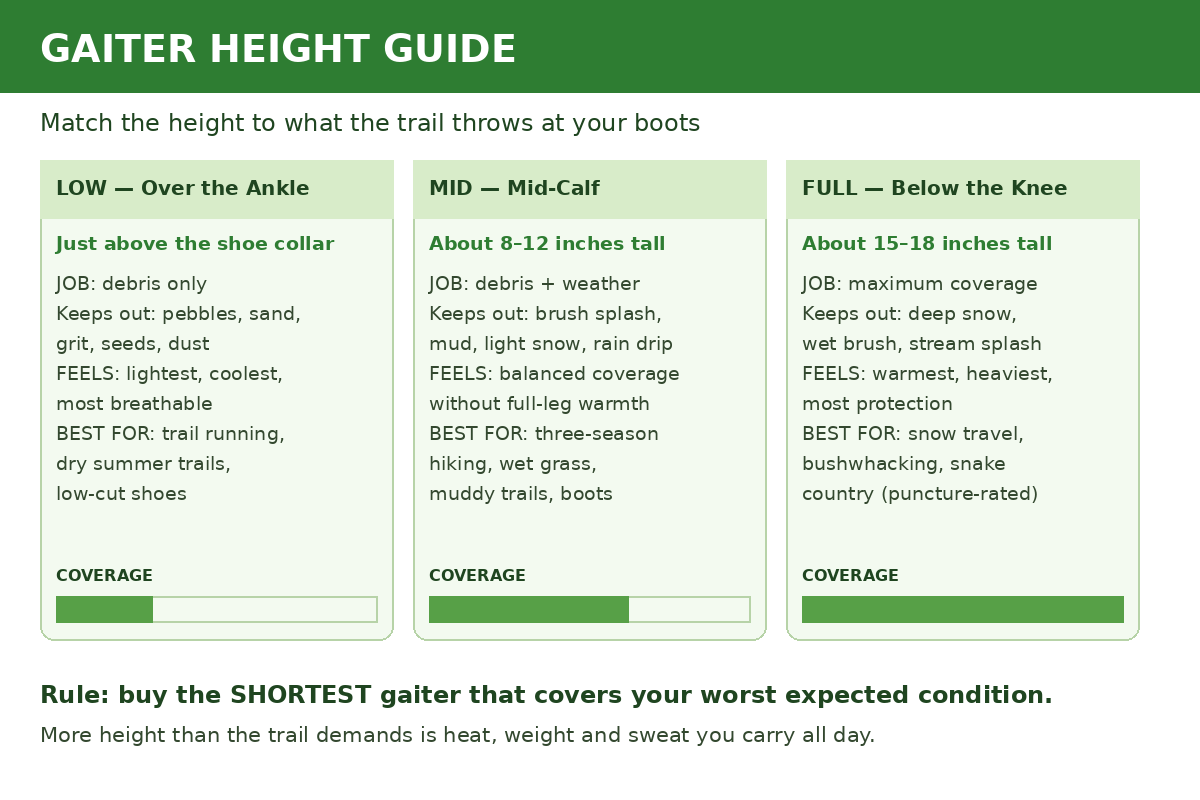
Every gaiter decision collapses into one question first: how much of your leg needs covering? The height bands in the REI gaiter guide are the working definitions the whole category uses: over-the-ankle gaiters for trail running and summer debris, mid-calf gaiters at about 8 to 12 inches for debris and rain, and knee-height gaiters at about 15 to 18 inches for deep snow, wet brush and bad weather. Height is not a quality scale: a taller gaiter is a warmer, heavier answer to a bigger problem.
| Type | Height | What it keeps out | Typical build | Earns its place on |
|---|---|---|---|---|
| Low (ankle) | Just over the shoe collar | Pebbles, sand, grit, seeds, dust | Stretch nylon, lace hook, light strap | Gravel, scree, desert, dry trails in low shoes |
| Mid (mid-calf) | About 8–12 inches | Debris plus mud splash, wet grass, light snow, rain drip | Coated nylon or membrane, hook-and-loop or zip | Three-season trails, muddy paths, brushy edges, wet grass |
| Full (below knee) | About 15–18 inches | Deep snow, soaked brush, stream splash, debris over the calf | Heavy coated nylon or membrane, reinforced lower | Snow travel, snowshoeing, bushwhacking, alpine routes |
| Snake gaiters | Full, ankle to below knee | Fangs, thorns and cactus on the lower leg | Puncture-tested panels or ballistic weave — a separate class | Rattlesnake country, tall grass, rocky desert off-trail |
What a Gaiter Actually Does: Seal the Gap
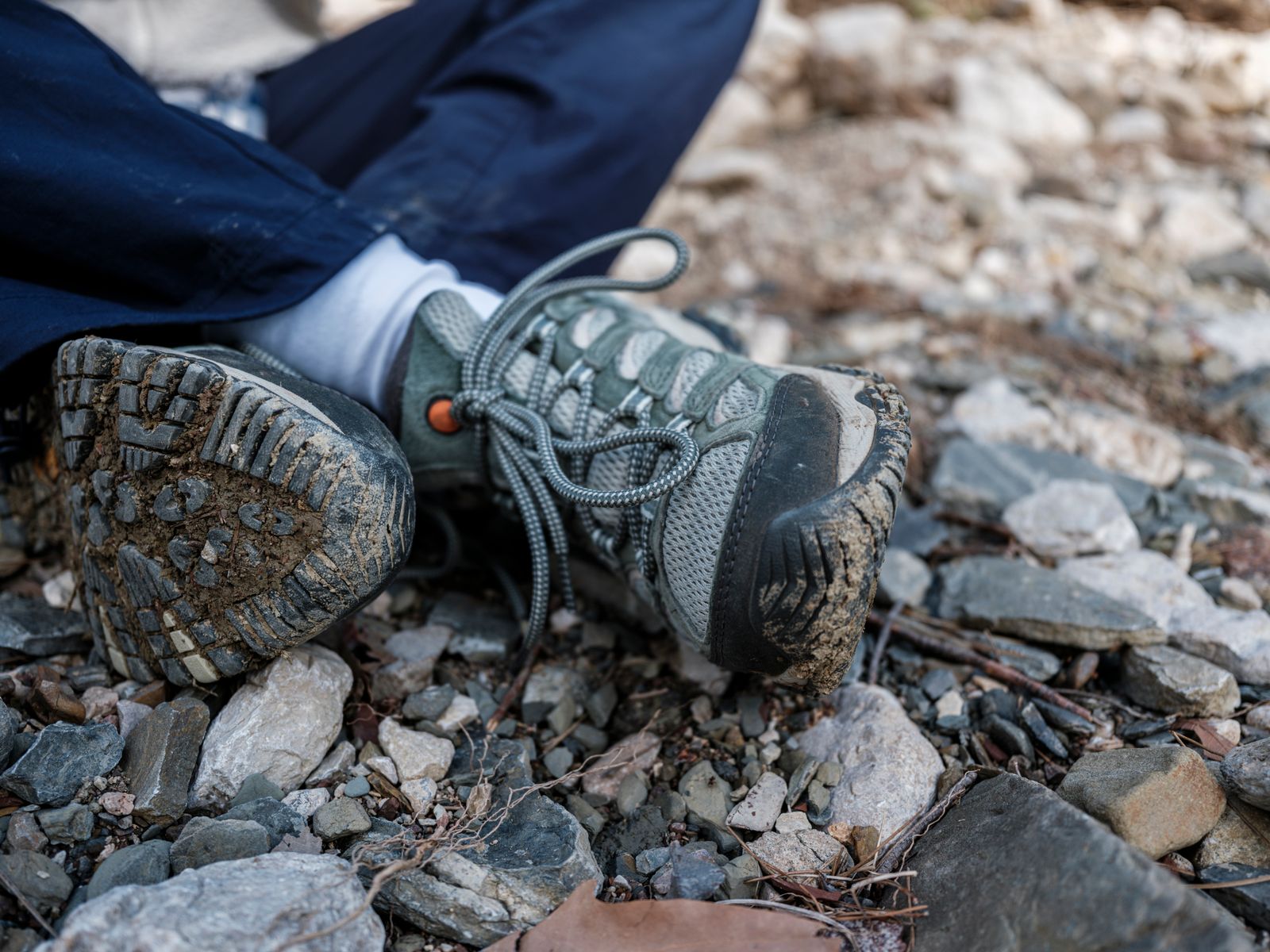
A boot is a bucket with the opening at the top, and almost everything that ruins a hiking day enters through that opening. Gravel kicked up by your heels, sand on a descent, snow collapsing over the collar, rain running down your legs: all of it funnels into the gap between ankle and boot top. The gaiter’s job is to bridge that gap, so debris hits fabric and falls away instead of dropping inside. The gaiter guide from REI makes the same point through fit: a gaiter only works if it creates a tight seal above the top of the shoe or boot, because a loose interface lets debris and snow work underneath it and inside.
That sets the limit: a gaiter is a seal, not a plug, and not a wader. Step into water above the gaiter’s lower edge and water enters under it, and a non-waterproof shoe still wets through its own upper in steady rain. What the gaiter stops is entry at the top, plus splash and brush contact on the leg it covers.
The Pebble Problem Is the Everyday Case
For most hikers, the gaiter’s real enemy is not weather. It is the single pebble. One small stone inside a shoe concentrates your weight onto one point with every step, and the choice is always the same: stop, unlace and shake it out, or walk on it and trade the stop for a hot spot. On scree and sandy washes that stop repeats all day. A low gaiter ends the cycle for a few ounces, which is why debris protection, not waterproofing, is why most pairs get bought. The boot underneath still has to fit the trail, and our guide to choosing the right hiking boots covers that decision on its own terms.
Low Gaiters: The Debris-Only Tool
A low gaiter covers the shoe collar and ankle, and nothing else — and for its one job, that is a virtue. Less fabric means less heat, less weight and less to flap or snag, and the seal sits exactly where debris enters. Low gaiters partner naturally with low-cut shoes and trail runners, where the exposed collar gap is widest and the pebble problem is worst. The comparison in boots vs trail runners makes the trade plain: the lower and lighter the shoe, the more it gains from a gaiter sealing its top.
Judge a low gaiter by its attachment, not its fabric. The fabric only has to shed grit; the hardware has to hold the seal against a flexing ankle all day. Look for a lace hook that grabs low, a replaceable instep strap under the shoe’s waist, and a top edge that grips without a tourniquet squeeze. A low gaiter that rides up is worse than none: it funnels debris toward the opening it was meant to close.

Kahtoola INSTAgaiter Low
- LIGHTWEIGHT HIGH PERFORMANCE: Durable, water-resistant, ultralight short gaiters made from stretch-woven nylon for men and women, perfect for high output exertion activities like trail running, backpacking, walking through the desert, hunting, and trekking to provide maximum durability and protection from moisture, rock debris, mud, dust & sand, and ticks. Also available, the INSTAgaiter Mid for more coverage over mid-profile boots.
- OUTER MATERIAL: The 84% Stretch-Woven Nylon / 16% polyurethane blend is lightweight, abrasion resistant, breathable, and has a water-resistant DWR finish.
- EASY ON/OFF: Overshoe gaiter for shoes and boots that with an asymmetrical YKK Vislon zipper that reduces pressure on the front of the foot for increased comfort and allows for easy on/off without having to remove footwear entirely. The lightweight removable design makes them ideal for professional outdoor fieldwork, forest park rangers, sheriffs, and construction work.
Where Low Gaiters Stop Working
The moment the threat rises above the ankle, a low gaiter is out of its depth, literally. Wet grass soaks socks over its top edge, mud splashes past it, snow pours over it. That is the boundary of the design, and why the sock underneath still matters: our guide to how to choose hiking socks treats the sock as the layer that copes with whatever gets past the seal.
Mid Gaiters: The Three-Season Middle
The mid gaiter, rising to mid-calf, is the versatile middle: tall enough to stop splash and wet grass, short enough to wear all day in three seasons. This is the height most hikers buy first, because it covers the widest set of conditions in one piece of gear. The Kahtoola gaiter lineup shows the reasoning: match height to the season and the trail, and let the waterproofing follow the same decision.
Mid is also where waterproof construction starts to make sense. A low gaiter rarely needs a membrane, because water that matters is already over its top; a mid gaiter can keep the shin and the boot collar dry through wet grass and rain drip, and a membrane there earns its keep. Our best hiking socks roundup treats the sock as the other half of that system: a gaiter that seals and a sock that manages sweat are the pair that keeps feet comfortable.
Frelaxy Waterproof Leg Gaiters
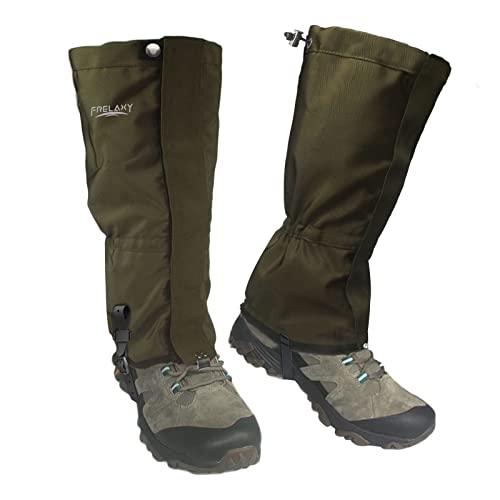
- ✔ULTRA HIGH-PERFORMANCE LEG Gaiters – Frelaxy ALL- PURPOSE Gaiters design to keep your leg safe, dry, and warm in extreme conditions, Effectively prevent Snow, water, dirt, and pebbles from entering into your shoes or pants, perfect for Hiking, Hunting, Snowshoeing, also a good addition to home gardening.
- ✔EXCEPTIONAL LONGEVITY. EXCLUSIVE VALUE. The gaiter is constructed of 900D Anti-Tear Waterproof coated Oxford Fabric. Designed to maximize waterproof efficiency (Tested 100% waterproof), durability (50% more than most other brands), and wear comfortability, all while keeping weight at a minimum.
- ✔UPGRADED RUBBER INSTEP STRAPS: Goodbye, Loosen Straps! 3 Layer high-abrasion Rubber Instep Strap with Durable Metal Buckle, Stay grip to your boots, won’t add any hassle for your walking.
New starting from: 29.99 $
Go to AmazonMid Gaiters and Boots: The Pairing Rule
The pairing rule is simple: the gaiter’s lower edge must seat on the boot’s instep, not float above it. Mid gaiters work with both mid-cut and high boots, and the lower strap position stays the same; the top cinch then grips the calf where the boot ends. Pairing with low shoes, a mid gaiter leaves a gap where the shoe collar ends and the gaiter begins, and that gap collects debris — so a mid gaiter belongs on a boot with enough height to meet it.
Full Gaiters: Snow, Brush and Hard Weather
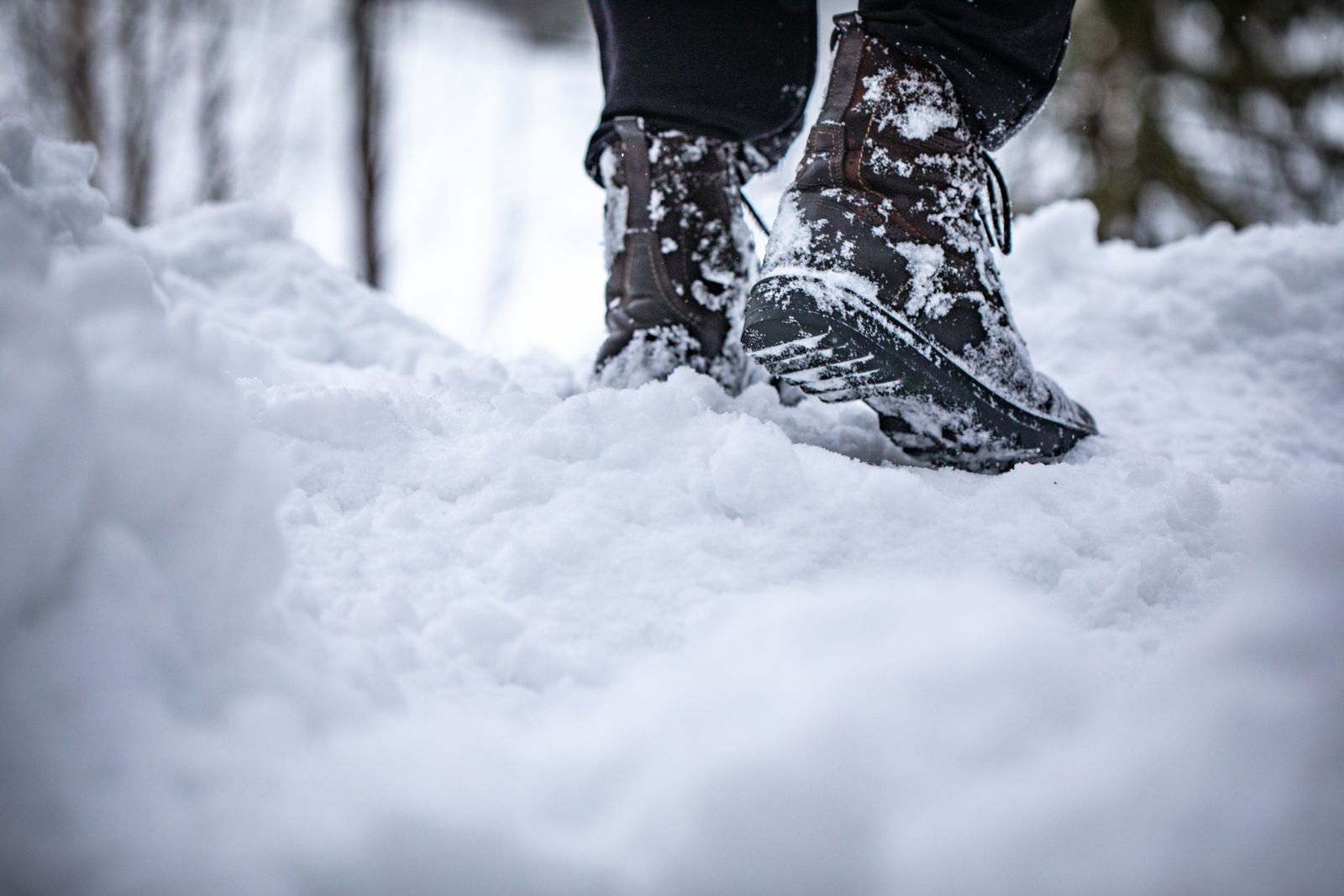
A full gaiter runs from boot to just below the knee, and that is the height that turns winter from a fight into a walk. Snow collapses over the boot top, brush drags at the shin, stream crossings splash the calf: the full gaiter keeps all of it off the leg and out of the boot. The National Park Service winter hiking tips put the logic the same way: layered, dry lower legs are what keep a winter day comfortable, and gaiters are the layer that keeps the snow out.
Snowshoeing and winter traction are its natural partners. Deep snow is the condition where a full gaiter pays for itself in the first hour, because every step in powder throws snow against the shin. Our guides to the best microspikes and the best snowshoes cover the traction side of the same winter kit.
The Warmth Trade Is Real
The warmth trade is real: full gaiters add insulation and block wind on the shin, and that heat is welcome in snow and unwelcome everywhere else. A full gaiter in summer is a sweat trap, and the sweat it traps can wet the sock it was meant to protect. Wear full height only where the conditions it handles are actually present.
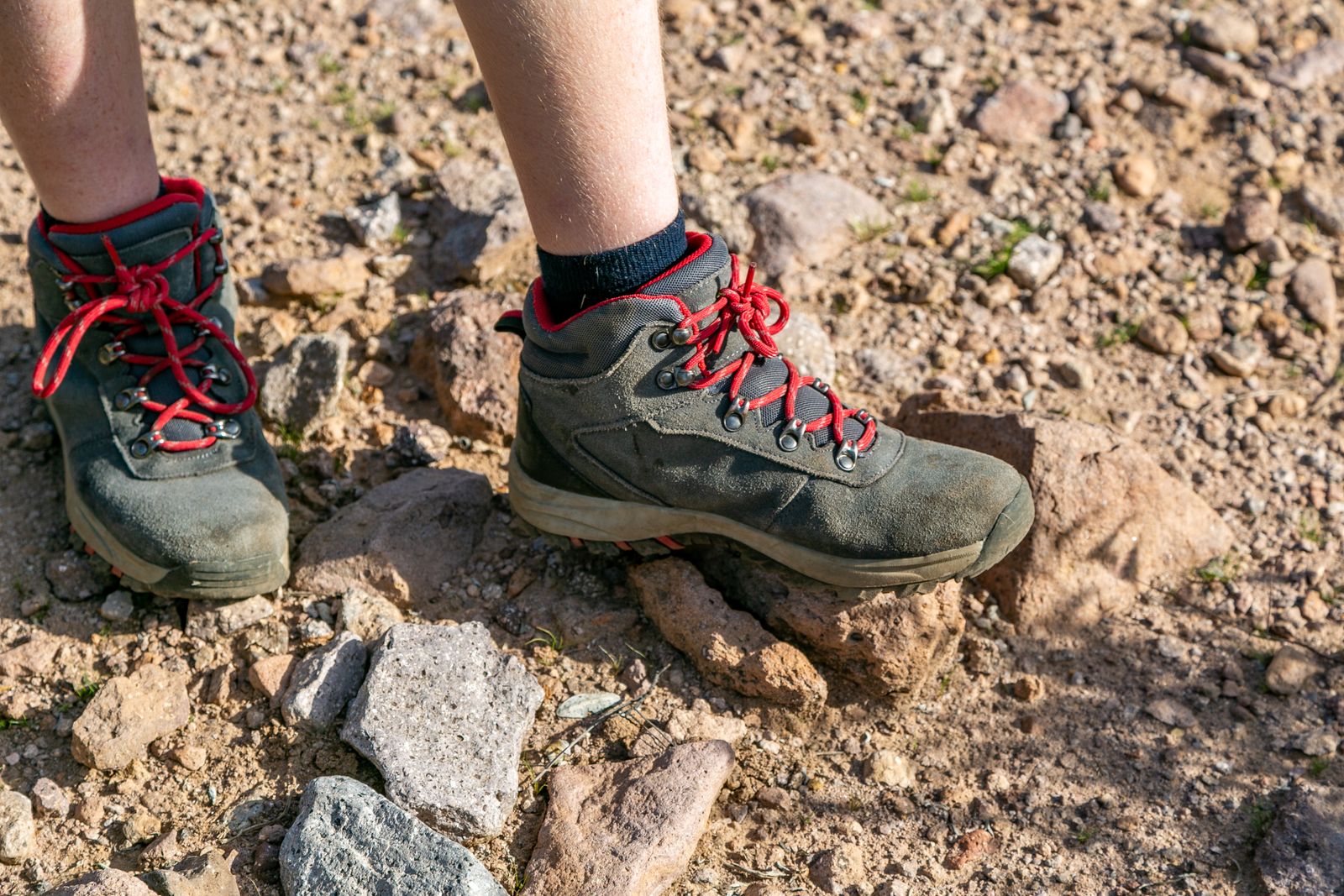
Materials: What the Fabric Decides
Gaiter fabrics sort into three families, and each one answers a different threat. Lightweight stretch nylon sheds grit and packs small; coated packcloth resists brush and abrasion; a waterproof-breathable membrane handles snow and sustained wet. The OutdoorGearLab gaiter reviews put the same distinction in denier and coating terms: heavier fabrics like 420-denier nylon packcloth with a PU coating survive abrasion and brush that tear lighter shells.
Membranes: Waterproof and Breathable Is a Mechanism, Not a Slogan
Membranes: waterproof and breathable is a mechanism, not a slogan. A membrane blocks liquid water while letting vapor through, and that only works if the inside stays warm enough to drive vapor out — which is why a membrane gaiter over a sweating leg in warm rain can still feel wet inside. The GORE-TEX explanation of waterproof footwear makes the same point about the whole system: the membrane is one part of keeping water out, and fit, socks and gaiter seals are the rest. For the footwear half of that system, our roundup of the best waterproof hiking boots for women covers boots with the same membrane logic.

Outdoor Research Rocky Mountain Low
- Fabric Performance: Water-Resistant, Breathable, Abrasion- Resistant
- Durable, Water Resistant and Breathable
- 1-Inch Wide Hook/Loop Front Closure
Closures, Straps and Hooks: The Parts That Fail First
Gaiters rarely die by fabric. They die by hardware. The zip or hook-and-loop front closure opens and closes every wear, the instep strap flexes with every step, and the lace hook is a small bent wire taking load all day. Inspect these parts before the fabric: a closure that gaps under tension is a seal that leaks. The Backcountry gaiter listings show the pattern across makers: hook-and-loop fronts with a storm flap, a lace hook, and a replaceable instep strap are the standard kit because each part is replaceable on its own.
The instep strap is the hardest-working part of the gaiter. It sits under the boot’s waist, flexing with every step, dragging across rock and pavement, and wearing where the sole’s edge cuts across it. When it frays, replace it before it snaps on a trail: most makers sell replacements, and a broken strap turns a gaiter into a flapping tube.
The Top Cinch and the Lace Hook
The top cinch and the lace hook do the quiet work of holding the seal in place. The lace hook anchors the gaiter’s front to the boot’s laces, stopping it from riding up the leg, and the top cinch — drawcord or elastic — keeps the upper edge snug against the calf so debris cannot drop in from above. Both must be adjusted every wear: the hook after lacing, the cinch after the leg warms and the calf swells slightly. A gaiter whose top edge gapes is a funnel, not a seal.
When Gaiters Earn Their Place: Mud
Mud is the mid gaiter’s best argument. Wet trails throw mud against the shin and the boot collar, and a mid gaiter keeps both clean — and, just as importantly, keeps the mud out of the boot, where it grinds between sock and foot. The National Park Service Leave No Trace guidance on durable surfaces adds a trail-ethics angle: walking through mud and water, not around it, keeps trails from widening, and a gaiter is what makes walking through the mud tolerable.
Mud also tests the seal honestly. Splash is heavier than rain, it arrives with force, and a loose top edge lets it in. After a muddy hike, rinse the gaiters and let them dry before packing: dried mud cracks coatings and abrades fabric, and a gaiter stored wet grows mildew. Our guide to how to dry hiking boots covers the same post-hike routine for the boots underneath.
Mud Season Is a Trail Condition, Not a Season
Mud season is a trail condition, not a season. Spring thaw is the famous case, but a summer thunderstorm or a seep on a north-facing slope creates the same mud in July. The New York State DEC mud-season guidance is blunt: walk through mud and water on the trail, not around it, because skirting it widens the trail and damages the edges. A mid gaiter is the gear that makes that advice easy to follow.
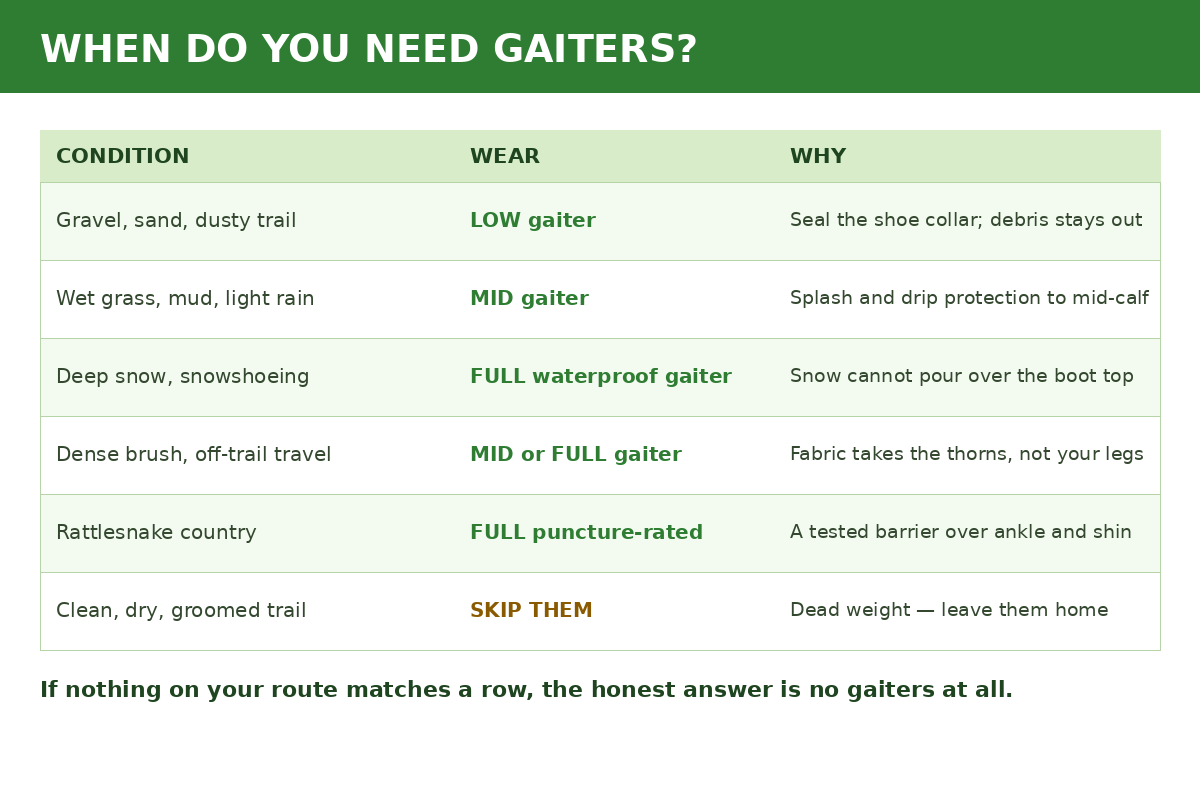
Brush, Thorns and Ticks
Brush is a coverage problem before it is a fabric problem. Thorns and brambles scratch the shin first and the fabric second, so a taller gaiter covers more of the leg that brush reaches. A coated packcloth lower resists snags better than a light stretch shell, and a reinforced front panel takes the abuse where the leg pushes through.
Ticks change the calculation from comfort to health. Ticks climb from grass and brush onto the lowest part of the leg they reach, and a gaiter that seals the boot top and covers the calf puts fabric between the tick and the skin. The CDC guidance on tick-borne disease lists the same layered approach: cover skin, check after the hike, and remove ticks promptly.
Layer the Tick Defenses, Do Not Bet on One
Layer the tick defenses; do not bet on one. The CDC advice on avoiding bug bites is to treat clothing and skin together: permethrin-treated clothing and gear, repellent on skin, and a full-body check after the hike. A gaiter is one layer in that stack, and the treated clothing it pairs with matters: our guides to the best permethrin clothing treatments and the best tick removal kits cover the rest of the system.
Snake Country: A Different Product Entirely
Everything above is about keeping things out of your boots. Snake gaiters are about stopping a strike to the leg. A trail gaiter will not stop a fang, and no maker of one claims it will. A snake gaiter is built from puncture-resistant panels tested against strikes, and it is sold, rated and worn as protective equipment. The Montana State University Extension rattlesnake-safety guidance and Banner Health warnings about rattlesnake activity both put behavior first — staying on trail, watching where feet and hands go, giving any snake wide space — with protective gear as the backup for when behavior is not enough.
What the Researcher Adds
What the researcher adds is a reminder that the risk is real but manageable. Cal Poly rattlesnake-season guidance notes that most bites happen when people step on or reach toward a snake they did not see — the exact scenario a gaiter covers. For the gear side, our roundup of the best snake bite protection gaiters compares rated options, and our guide to what to do if you are bitten by a rattlesnake covers the response if the worst happens.
When Gaiters Are Dead Weight
Now the other side, stated plainly: on a clean, dry, well-kept trail, gaiters do nothing. There is no debris to stop, no mud to splash, no brush to block, and the gaiter adds weight, heat and one more thing to fuss with at every stop. Our day hiking essentials checklist treats gear the same way: every item earns its place by solving a problem the trail actually presents, and a gaiter on a clean trail solves none.
Heat is the cost hikers underestimate. A gaiter is an extra layer over the lower leg, and on a warm day that layer traps sweat, which then soaks the sock from the outside in. The foot you meant to keep dry ends up wet anyway — wet from your own perspiration rather than from the trail. When the trail is dry and the forecast is warm, leaving the gaiters home is not laziness. It is the correct call.
Fit: The Seal Is the Whole Product
A gaiter that does not fit cannot do its one job, because its job is a seal. Size from the maker’s chart, not from your shoe size alone: calf circumference and boot height matter as much as foot length. A gaiter that is too loose at the top lets debris in over the edge; one that is too tight at the calf cuts circulation and rides down; one whose instep strap sits in the wrong place slips off the boot’s waist with every step. The boot it pairs with matters too, and our roundup of the best hiking boots for men covers boots whose collar height and instep shape pair cleanly with gaiters.
Fit them in motion before the first real trail. Walk a mile in them around the neighborhood, climb stairs, crouch and step over things: the seal has to hold through a full stride, not just while standing still. Check the lace hook after the first half mile — if it has slipped, re-seat it and adjust the strap. A gaiter that needs constant attention on a test walk will need it on the trail too.
Our view
I think of gaiters as the most honest gear in the pack: they do exactly one thing, and you can tell in the first mile whether you needed them. Learn the heights and fabrics here, then put it into practice with our trail gaiter roundup https://hikingbackpackpro.com/best-trail-gaiters-for-hiking/ when debris is the problem, the snake gaiter roundup https://hikingbackpackpro.com/best-snake-bite-protection-gaiters-for-hiking/ when the country demands a rated barrier, and the same seal-the-gap thinking applied to your feet in blister prevention https://hikingbackpackpro.com/how-to-prevent-and-treat-blisters-while-hiking/ — small openings, honestly assessed, are where most trail misery gets in.
FAQ
What are hiking gaiters for?
Sealing the open top of your boot or shoe so debris, snow, water and brush stay out, and covering the lower leg against splash, thorns and, in rated models, snake strikes.
Do I need gaiters for day hiking?
Only if your day hikes present a named problem: grit, mud, wet grass, brush, snow or ticks. On clean, dry trails they are dead weight and extra heat. Most who benefit need only a low debris gaiter.
Can gaiters keep my feet dry in rain?
They keep rain from entering over the boot top and shed splash, but they cannot waterproof the boot itself. A gaiter over a non-waterproof shoe still leaves the shoe’s own upper to wet through, which is why the footwear matters as much as the gaiter — see our roundup of the best waterproof hiking boots for women.
Are gaiters snake proof?
Trail gaiters are not. Snake gaiters are a separate, puncture-rated class built and tested to resist fangs. Combine rated gaiters with the behavioral basics: stay on trail, watch foot placement, give any snake wide space.
How should gaiters fit?
Snug at both ends, with no gaps. The lower edge must stay seated through a full stride, the strap should sit in the waist of the sole, and the top cinch should grip without cutting circulation. Size from the maker’s chart, and test in motion over your real boots.
Do gaiters work with trail runners?
Yes, low gaiters are designed for exactly that pairing. Trail runners have the widest, lowest collar gap of any hiking footwear, so they gain the most from a debris seal. Expect a low model to stop grit and sand, not weather.
Questions About Gaiters?
Tell us your boots, your trails and what keeps getting into them, and we will help you decide: low, mid, full, or none at all.
Contact UsSources
- REI — How to Choose and Use Gaiters
- REI — The Best Gaiters, Tested
- Kahtoola — Which Kahtoola Gaiter Is Right for You?
- OutdoorGearLab — The Best Gaiters
- NPS — Winter Hiking Tips
- NPS — Leave No Trace Principle 2
- CDC — Diseases Spread by Ticks
- CDC — Avoid Bug Bites
- Montana State University Extension — Rattlesnake Safe in Montana
- Cal Poly — Ask an Expert: How Do I Stay Safe During Rattlesnake Season?
- GORE-TEX — How GORE-TEX Brand Makes the Best Waterproof Hiking Shoes
- NY State DEC — Hikers Urged to Walk Through, Not Around, Mud and Water
- Banner Health — Rattlesnake Activity Warning
- Backcountry — Black Diamond Gaiters Guide