
As an Amazon Associate I earn from qualifying purchases.
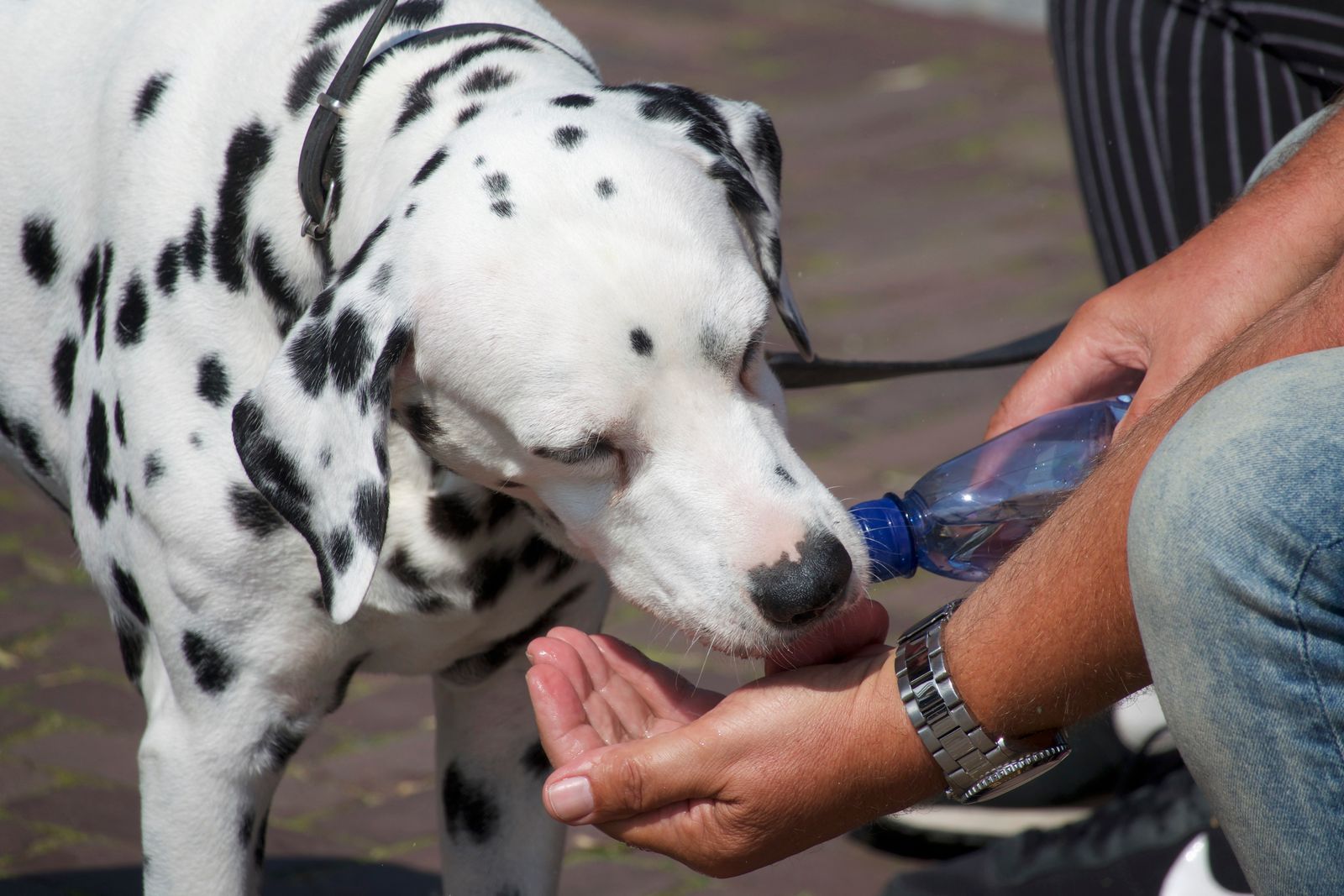
A dog cannot drink from a hiker’s bottle, a hydration hose or a cupped hand for long, and the moment a thirsty dog starts pulling toward every puddle and stream, the water system — not the dog — has failed. This roundup compares the four dog water bottle types that actually work on trail, explains how each one delivers water, matches each type to the dog and the hike it suits, and covers how much water to carry, when to offer it, and how to keep the bottle clean.
Start With the Dogs Built for the Trail
Water is only one part of a good trail day, so see which dogs are made for hiking before you plan the route and the kit.
See the Best Hiking DogsKey Takeaways
- Pick the bottle by how your dog drinks, not by how the bottle looks on a shelf.
- Carry water for the dog as its own supply, never as a share of yours.
- Choose one-hand operation, because the other hand is holding the leash.
- Test the seal at home, because a bottle that leaks in the pack is no bottle at all.
- Offer small drinks often, and never let a puddle do the bottle’s job.
Table of Contents
- How We Judged These Bottles
- How Much Water a Dog Actually Needs on Trail
- Best Attached-Bowl Squeeze Bottle for Most Hikes
- Best Stainless Steel Bottle With a Cup Lid
- Best Leak-Proof Squeeze Bottle With a Silicone Bowl
- Best Bottle-Plus-Bowl Combo for Any Pack
- How to Choose the Right Bottle for Your Dog
- Drinking Well on Trail: Timing, Training and Safety
- Cleaning, Care and When to Replace a Bottle
- Our view
- FAQ
- Sources
- Recommended
How We Judged These Bottles
A dog water bottle has one job: deliver clean water into a dog, one-handed, without wasting the supply. Every type here was judged against that job — how the dog drinks from it, how much water the design wastes or saves, whether it seals inside a pack, how it carries, and how easily it cleans. Capacity was not the deciding factor, because a smaller bottle a dog drinks from willingly beats a larger one it refuses. The preparation-first approach in the American Hiking Society hiking-with-dogs guidance sets the same priorities: plan the dog’s needs, including water, before the trailhead.
| Bottle type | How the dog drinks | Best for | Watch out |
|---|---|---|---|
| Attached-bowl squeeze bottle | Squeeze to fill the attached trough; the dog laps from it | Most dogs, most day hikes, fast one-hand stops | Unused water returns to the bottle on many designs — check how yours handles it |
| Stainless steel bottle with cup lid | Pour into the lid, which works as a cup | Hot days, long miles, dogs that like a still, open drink | Two-piece system — the cup can be dropped, and pouring wastes more |
| Gravity and leaf-bowl bottle | Flip open the leaf-shaped bowl and let gravity or a gentle squeeze fill it | Small dogs and short outings where a slim bottle carries best | The shallow bowl suits small mouths; large dogs may find it fiddly |
| Leak-proof squeeze bottle with silicone bowl | Fold the silicone bowl down around the bottle, squeeze to fill | Picky drinkers, dogs that like a wide bowl, pack-carried bottles | The seal and lock are the whole design — test both before trusting them |
| Bottle-plus-bowl combo | Pour from any bottle you already own into a separate collapsible bowl | Big dogs, multi-dog hikes, hikers sharing one water system | Two items to track, and the bowl needs a moment to open and steady |
The Four Tests That Separated the Types
Seal, flow, drink and clean — in that order. A bottle that leaks into a pack fails before the hike starts, so the seal is tested first, filled and inverted over a sink. Flow comes next: water should arrive with a gentle squeeze or a simple pour, not a startling jet or a frustrating trickle. The drink test is the dog’s vote — a design it approaches happily at home gets used on trail. Cleaning closes the loop, because a bottle with unreachable corners grows stale fast. The pre-hike preparation in the AKC guide to training a dog to hike makes the same point about all new gear: introduce it before the real outing depends on it.
Judge the bottle against your dog’s habits, too. A dog that drinks delicately from a still bowl usually prefers the cup-lid and combo types, while an eager lapper takes to an attached trough at once. The dogs in our best hiking dogs roundup span both kinds, and our dog hiking distance explainer shows why the water system must match the miles you plan.
How Much Water a Dog Actually Needs on Trail
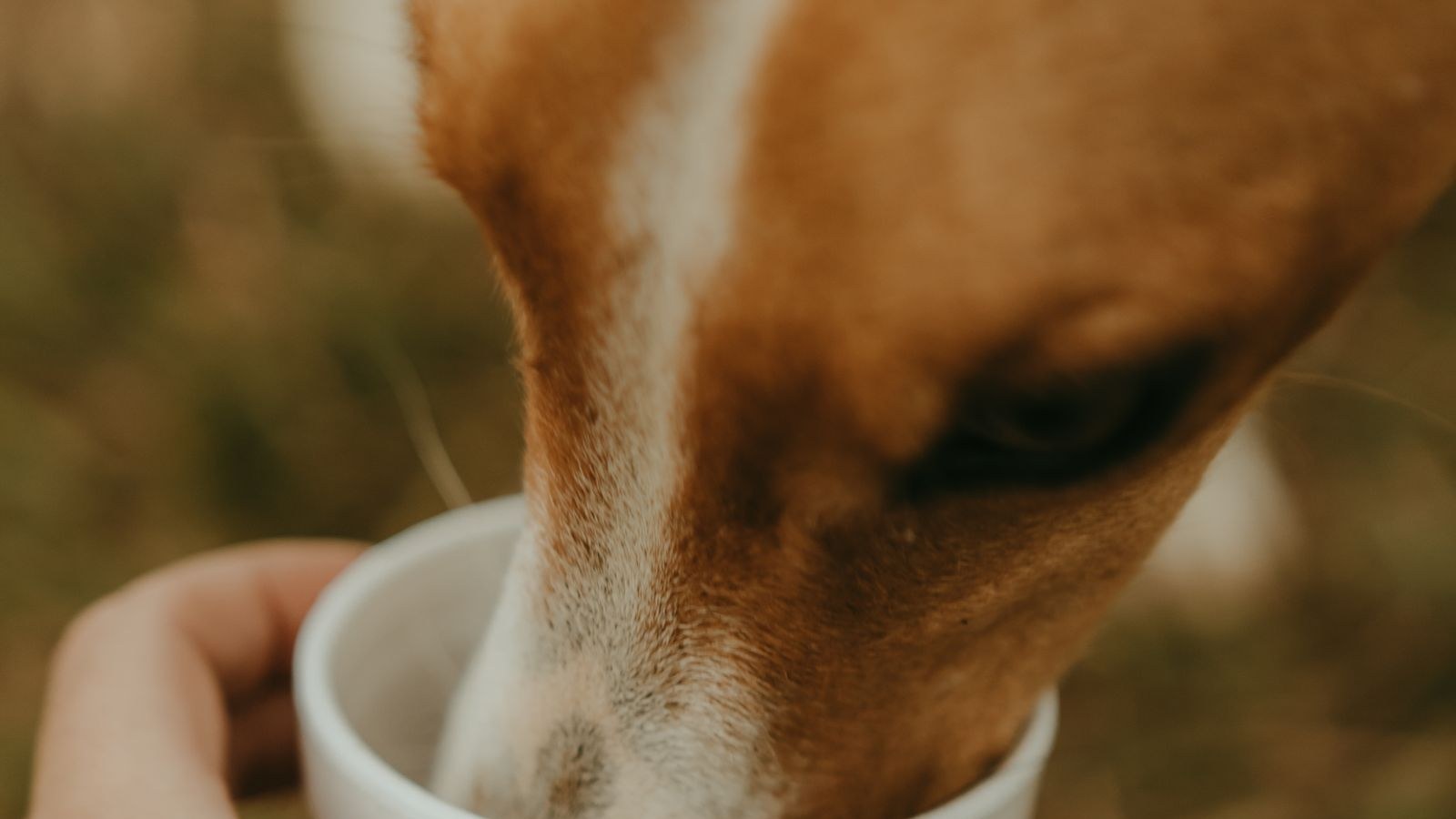
Start from the daily baseline, then adjust for the day. Veterinary references put a healthy adult dog’s total daily water need — drinking water plus the moisture in food — in a broad range worked out from body weight, and the maintenance guidance in the Merck Veterinary Manual calculates those needs from weight-based formulas rather than from a single figure for every dog. In practical terms, a small dog may drink around a cup across a resting day, a medium dog a few cups, and a large dog several cups more — and a hiking day in warm weather pushes every one of those figures upward. Treat the ranges as a planning floor for what to carry, not as a quota to pour into the dog.
Carry for the hike, not for the day, and carry a margin. Work out what your dog drinks across the active hours at home, add the effort and heat of the route, then add a reserve for a slower return or a spilled bowl. The reservoir-ready designs in our water bladder backpacks roundup let the human supply ride as a bladder while the dog’s bottle stays separate and counted. Conditioned dogs can share the load within safe limits, as our dog backpacks guide explains — but a dog’s water rides with the human until the dog is conditioned to a pack.
Signs the Supply or the Schedule Is Wrong
A dog that is drinking too little shows it before it is in danger — if you know the signs. The dehydration overview from the AKC lists dry, sticky gums, thick saliva, loss of skin elasticity, sunken-looking eyes, reduced energy and loss of appetite among the warning signs, with two simple checks: gums that feel moist rather than tacky, and skin over the shoulders that springs back when gently lifted and released. On trail the translation is simpler: a dog that refuses water it normally accepts, pants without settling, or seeks shade at every stop is telling you the schedule, the supply or the day needs to change. Shorten the route, rest in shade, offer small drinks, and treat worsening signs as a veterinary matter.
Best Attached-Bowl Squeeze Bottle for Most Hikes
This is the default pick, and it earns that place on speed. The bowl or trough is part of the bottle, so a water stop is one motion: unclip, squeeze, let the dog drink, release so unused water can drain back on designs that allow it, clip, walk on. There is nothing to assemble, nothing separate to drop in the dirt, and the whole stop takes seconds — which matters, because a stop that is easy happens often, and frequent small drinks are how trail hydration actually works. For most dogs on most day hikes, this is the bottle to buy first.
It suits the way dogs are exercised on trail. The exercise guidance from VCA Hospitals frames a dog’s activity around its age, breed and health and around building effort progressively — and water stops are part of that rhythm, breaking a hike into workable segments rather than arriving as an emergency measure at the end. A bottle that deploys in seconds supports that rhythm; a bottle that needs two hands, a flat surface and assembly quietly trains owners to skip stops. If your hikes are the steady, moderate kind described in our dog hiking distance explainer, this type covers them.

Portable Dog Water Bottle
- Easy To Use: Exclusive patented design, U2mug design dog water bottle and water bowl two in one. The fold cap acts as a water bowl, and you don’t need any external bowl to give your hairy buddy water to drink anymore.The built-in travel water bowl for dogs and water key ensure no water is wasted, making it an ideal dog travel accessories
- Large Capacity: lesotc dog water bottle with a volume of 18oz/520ml. Dog travel water bottle can provide safe, fresh, and healthy water for puppy during long walking, travel, hiking, camping and other outdoor activities. It’s addition to your dog accessories, perfect for dog beach essentials and dog camping essentials
- Leak-Proof Design: dog water bottle dispenser designed with upgraded push-button lock keeps water clean and prevents spills. This dog water dispenser is designed with silica gel seal ring which can prevent water leakage efficiently. This makes it a reliable dog portable water bottle and a safe choice for your pet
List Price :
Offer: 15.19 $
Go to AmazonWho Should Skip This Type
Very large dogs and multi-dog households outgrow it first. An attached trough is sized for one average muzzle, and a big dog may empty it faster than a squeeze can refill it. Two dogs sharing one trough adds jostling and guarding. Those hikers are better served by the combo pick below, or by the wider designs in our portable water bowls roundup alongside a plain bottle.
Best Stainless Steel Bottle With a Cup Lid
Choose this type when the day is hot, the miles are long, or your dog drinks best from a still, open surface. Stainless steel is the durable, taste-neutral material: it does not hold flavours from previous fills, it shrugs off drops onto rock, and the wide cup lid pours into a proper little bowl that a dog can drink from calmly and deeply. The trade is weight and parts — steel carries heavier than plastic, and the lid is a separate piece to keep track of at every stop.
Heat is where this type pulls ahead. The summer safety guidance from Cornell advises offering frequent water breaks as a core strategy for keeping dogs safe in warm weather, alongside limiting activity to cooler hours and providing shade. Frequent breaks need a system a dog drinks deeply from when it is offered, and many dogs take a fuller drink from an open cup than from a narrow trough. Pair the bottle with the shade-and-pacing habits in our cooling vests guide on genuinely warm days, and remember that gear supports the plan — it never replaces the decision to shorten it.

PupFlask Stainless Dog Water Bottle
- HAPPY, HYDRATED PETS make the best traveling companions, and the PupFlask goes wherever you and your furry friend venture. Reversible leaf-shaped bowl lays flat over bottle when not in use.
- QUICK & EASY TO USE — Quickly flip up the silicone top to create a large cup, easily flip the silicone top back down when finished drinking. No wasted water, no messy, no extra bowl necessary.
- PERFECT SIZE – Holds 27 oz fresh water in a durable stainless steel bottle. The thick, extra large silicone cup quickly provides your pups with fresh water when travelling, walking, or any other adventures. Its the perfect travel bottle for pets.
New starting from: 26.96 $
Go to AmazonCarrying a Two-Piece System Without Losing Half of It
Clip the cup, every time. The lid-as-cup design fails in one ordinary way: the cup gets set down at a scenic stop and left there. Keep the cup in hand until it is back on the bottle, and give the bottle a home — hikers using the reservoir packs in our water bladder backpacks roundup often dedicate a side pocket to the dog’s steel bottle, keeping the two supplies separate and the dog’s bottle reachable.
Best Leak-Proof Squeeze Bottle With a Silicone Bowl
This is the pack-carried pick: the bottle that rides inside the bag without soaking it. The silicone bowl folds down around the bottle for carrying, then flips out into a wide, soft bowl the dog drinks from while you squeeze. The defining feature is the lock — a sealed, leak-proof closure that lets the bottle travel in any position. That seal is also the thing to test hardest before trusting it, filled and inverted at home and then carried on a short shakedown walk.
It is the picky drinker’s pick, too. A wide, soft, familiar-feeling bowl persuades dogs that refuse narrow troughs and strange cups, and the summer guidance from the RSPCA underlines why willingness matters: dogs in warm weather need constant access to clean water and every encouragement to drink, and a dog that will not drink from the device in your hand gets none of that benefit. Introduce this bottle at home first, filled and offered in the garden, so the first trail drink is from a device the dog already trusts. Small dogs, who are often the fussiest about new gear, are the same dogs whose stamina surprises people — our small dogs that hike all day roundup is full of them.

Springland Flip Portable Dog Water Bottle
- OPTIMAL CAPACITY – This dog travel water bottle has a 20-ounce capacity. Easily squeeze to hydrate your pet and release to drain excess water. Perfect for long journeys and outdoor adventures.
- INNOVATIVE LEAK-RESISTANT DESIGN – Travel dog water bottle built with a leak-proof shut off technology to prevent any water wastage. Our dog portable water bottle helps to ensure no spills during travel.
- FOOD-SAFE & BPA-FREE MATERIAL – Made from BPA-free, food-grade silicone. The Flip dog travel bottle prioritzes your best buds health and safety.
New starting from: 27.99 $
Go to AmazonA Note on Gravity and Leaf-Bowl Designs
The fourth mechanism deserves an honest mention even though it is not a separate pick here. Gravity and leaf-bowl bottles flip open a leaf-shaped tray that fills as you tilt or gently squeeze, and they carry slim and light — a genuine virtue on short outings with small dogs. Their shallow bowls suit small mouths better than large ones, and their seals vary more than any other type’s, so the home leak test matters doubly. For short hikes with a small dog, this mechanism is a reasonable alternative to the squeeze pick above — chosen with its limits understood.
Best Bottle-Plus-Bowl Combo for Any Pack
The most flexible system is not a special bottle at all — it is any sound bottle plus a collapsible bowl. The bowl weighs almost nothing, clips to the outside of a pack, opens in seconds, and serves a dog of any size, two dogs in turn, or a dog that needs water poured over food at a long lunch stop. Hikers who already own a bottle they trust keep it, and the dog’s system costs them one small, flat, nearly indestructible addition.
It is also the Leave No Trace and sharing-friendly option. A bowl keeps offered water contained instead of poured onto the ground at busy stops, and it lets you offer water to a trail companion’s dog without sharing a trough. The hot-weather guidance from the ASPCA advises providing ample fresh water and shade and limiting exercise on hot days — a bowl makes the water half of that advice easy to follow generously, for your dog and for any dog hiking with you. Round out the dog’s kit from our day hiking checklist, where the bowl belongs on the same line as the leash and the waste bags.

Collapsible Dog Travel Bowl
- LEAKPROOF & TRAIL‑TOUGH. Built with a water-resistant outer shell and waterproof liner, the Quencher Dog Travel Bowl stands up to rugged use without leaking or soaking through your gear.
- FOLDS FLAT, GOES ANYWHERE. Lightweight and flexible, this portable dog bowl collapses down small so it fits in pockets or packs, making it convenient to take with you anywhere.
- STAYS PUT, NO TIPPING. With its low-profile, wide-bottom design, Ruffwear’s Quencher collapsible dog bowls resists sloshing and tipping, even when excited pet dive in fast after a long hike.
New starting from: 24.99 $
Go to AmazonWhen the Combo Beats Every Dedicated Bottle
Big dogs, two dogs, and group hikes — every time. A large dog drinks a bowl dry and waits for the refill without the fiddliness of a trough sized for a smaller muzzle, and two dogs can be watered in turn from one bowl. The combo is also the backup that rescues other systems: a dedicated bottle that cracks or gets left at a stop leaves a dog unwatered, while a bowl in the pack plus any bottle — yours included — is a complete system. That is why the bowls in our portable water bowls roundup earn their place in so many packs.
How to Choose the Right Bottle for Your Dog
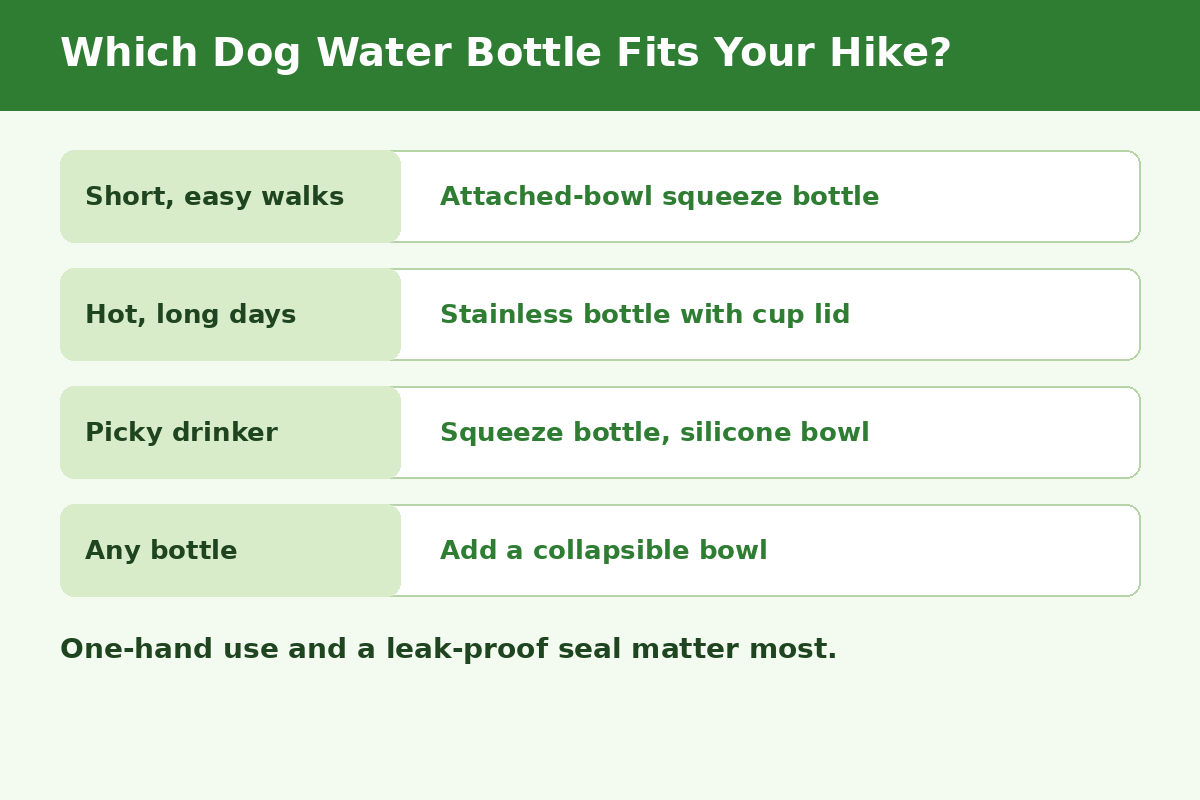
Match four things: the dog’s size, the dog’s drinking style, the route’s length, and where the bottle will ride. A small, eager drinker on short trails is served by the lightest attached-bowl or leaf-bowl design. A large dog, a picky drinker or a long route pushes toward the cup lid, the silicone bowl or the combo. A bottle carried inside the pack must be the leak-proof pick; a bottle clipped outside can be any type. Work through those four matches honestly and the choice usually makes itself.
Heat Changes the Answer
On hot days, choose the system your dog drinks most from — not the lightest one. The heatstroke overview from the AKC describes how quickly a dog that cannot cool itself effectively can move from uncomfortable to emergency, and water offered early and often is part of staying ahead of that curve. If your dog drinks deeply from an open cup and sips reluctantly from a trough, the cup lid is the hot-day bottle even if it weighs more. Protect the rest of the system too: the boots in our dog boots guide keep pads off hot ground, so the water stop is a rest rather than a shuffle from hot foot to hot foot.
Drinking Well on Trail: Timing, Training and Safety
Offer water on a schedule, not on a symptom. Stop and offer a drink at regular intervals through the hike — more often in heat, after climbs, and whenever you drink yourself. Small, frequent drinks suit a working dog better than one enormous drink at the summit, and a dog that learns stops come regularly stops lunging at every stream and puddle it passes. The heat stroke guidance from VCA Hospitals describes a condition that escalates quickly, with heavy panting, thick drool, weakness and disorientation among its signs — the schedule exists so that a hike never gets near that territory.
Teach the Bottle Before the Trail
A new bottle is a training item before it is a hiking item. Fill it at home, offer drinks from it in the garden and on neighbourhood walks, and let the dog learn the squeeze, the pour or the flip without trail distractions competing for its attention. The detailed treatment in the Cornell heatstroke guidance is a reminder of what is at stake when heat and exertion combine — prevention through preparation, including a dog that drinks willingly from its trail bottle, is the entire strategy. The broader skills programme in our long-distance training guide builds bottle manners in alongside leash work and recall.
Carried Water Beats Found Water
Ponds, puddles and slow streams are not a water plan. Standing water can carry parasites and bacteria, and a dog allowed to drink from every source it finds is a dog whose intake you cannot measure and whose health you are gambling with. Offer your carried water first and often enough that found water loses its appeal. Where rules govern dogs, they govern water stops too: the pet guidance from the National Park Service requires pets to be restrained and kept to areas where they are allowed, which shapes where a water stop can even happen in many parks — check before the route depends on it. And pack out what the stop produces: the National Park Service Leave No Trace principles cover waste disposal, durable surfaces and consideration for other visitors, all of which apply at a crowded trailhead water stop exactly as they do on the trail.
Cleaning, Care and When to Replace a Bottle
Rinse after every hike, wash properly every few, and dry fully before storing. Warm water and a bottle brush reach the corners a rinse misses, and the trough, bowl and cup parts need the same attention as the bottle itself. Let every part air-dry completely before reassembly, because a sealed, damp bottle is stale by the next weekend. Check hard bottles for cracks around the neck and seal, where leaks begin.
Replace on condition, not on age. A seal that fails the inverted test, a lock that slips open in the pack, a bowl torn at its fold, or drinking surfaces that stay rough after washing has finished its service — retire it before a long route depends on it. Keep the rest of the safety kit on the same discipline: the kits in our dog first aid kits guide get checked and restocked on the same schedule, and the carrier options in our dog carrier backpacks guide are worth researching before they are needed.
Our view
The best dog water bottle is the one your dog drinks from without a negotiation, carried where your hand finds it without unpacking. Start with the breeds and builds in our best hiking dogs roundup, set your distances with our dog hiking distance explainer, and let a conditioned dog share the load sensibly with our dog backpacks guide, and the water stops become the easiest part of the day — a squeeze, a drink, and back to the trail.
— Brian Ka
FAQ
How much water should I carry for my dog on a hike?
Carry at least what your dog would drink across the same active hours at home, then add for heat, climbing and delay. A medium dog on a moderate day may need a few cups across the outing; a large dog in warm weather needs considerably more. When in doubt, carry the extra — unfinished water is a small weight penalty, while an empty bottle is a shortened hike or worse.
Can my dog just drink from streams and lakes instead?
Carried water should be the plan, and found water the exception. Standing and slow-moving water can carry parasites and bacteria, and letting a dog drink freely from every source makes its intake impossible to track. Offer your own water often enough that streams lose their appeal, and save natural sources for genuine need on long routes, chosen carefully where the water runs clean and fast.
Why will my dog not drink from a new bottle?
Because it is new — the device, the posture and the flow are all unfamiliar at once. Introduce the bottle at home with no hike attached, and let the dog drink from it in the garden and on short walks. Most dogs accept a device within a few calm introductions; a dog that still refuses may prefer another type, which is what the cup-lid and bowl-combo picks exist for.
Is a bigger bottle always better?
No — the right bottle matches the dog, the route and the refill options. A large bottle on a short, shaded hike is dead weight, while a small bottle on a long, dry route is a risk. Match capacity to the longest stretch between reliable refills, and let the dog’s actual drinking at stops settle the size.
How often should I stop to offer water?
Regularly, and before the dog asks. Offer a drink at steady intervals through the hike, more often in heat and after climbs, and whenever you stop for your own water. Small, frequent drinks are the pattern veterinary guidance supports for exercising dogs, and a dog watered on schedule rarely arrives at a stop desperate enough to gulp, splash and waste the supply.
Questions About Dog Water Bottles?
Tell us your dog’s size and drinking style, plus the trails and distances you have in mind, and we will help you pick the bottle type that fits.
Contact UsSources
- American Hiking Society — Hiking With Dogs
- AKC — How to Train Your Dog to Hike With You
- AKC — Dehydration in Dogs
- AKC — Heatstroke in Dogs
- VCA Hospitals — Exercise for Dogs
- VCA Hospitals — Heat Stroke in Dogs
- Cornell Riney Canine Health Center — Summer Heat Safety Tips for Dogs
- Cornell Riney Canine Health Center — Heatstroke: A Medical Emergency
- ASPCA — Hot Weather Safety Tips
- RSPCA — Keeping Your Dog Safe in Summer
- Merck Veterinary Manual — Maintenance Fluid Plan in Animals
- National Park Service — Pets
- National Park Service — Leave No Trace Seven Principles